How to clean security screens in salt air, and how often
Updated
The short answer
Wash security screens with warm water, a mild detergent and a soft brush, rinse with clean water, then dry them off. Keep steel wool, bleach and harsh cleaners well away. Near the sea, the screens that never see rain need washing far more often than the ones out in the weather.
6 sections and 5 questions, about 8 minutes
This guide works through the job in order: the mesh, the frame, then the tracks and locks. It covers what's safe on woven stainless, perforated aluminium and powder coat, how to shift tea staining, and the point where a clean turns into a repair.
What you need, and what to keep away from the screen
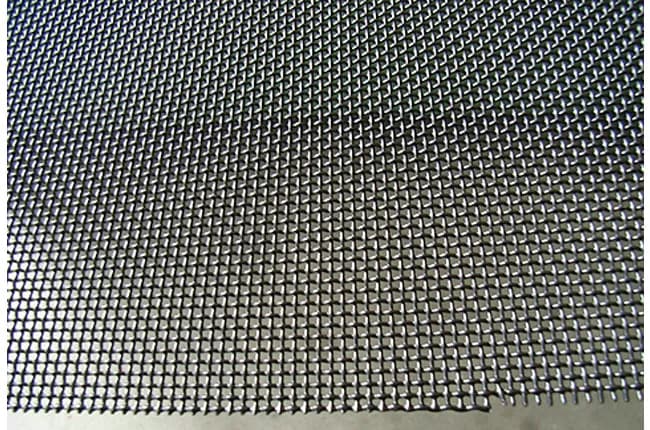
The kit for cleaning a security screen is short: a bucket of warm water with a mild detergent, a soft brush or microfibre cloth, a garden hose and a dry towel. Crimsafe suggests a new paintbrush for getting into the small, hard-to-reach spots. It's a cheap trick that suits most screens.
The list of things to avoid matters more. The Australian Stainless Steel Development Association (ASSDA) warns that abrasive cleaners, and anything with chlorides or bleach in it, damage the surface of stainless. Steel wool is out as well. It's usually made of carbon steel, and the bits it leaves behind rust onto the stainless. Powder coated frames have their own limits, and so does perforated aluminium like PERFGUARD, which is powder coated black. A&L Windows, an Australian window and door maker, says to keep solvents, caustic cleaners and abrasive cleaners off powder coat.
Steel wool, on stainless or anything else
Bleach, and cleaners that contain chlorides
Brick and mortar cleaners made with hydrochloric acid
Solvents and caustic cleaners on powder coated frames
Gritty cream cleansers and stiff scrubbing brushes
Step by step: mesh first, then the frame, then the tracks
A good clean goes from dry dust to wet wash to towel. You don't need to take anything down. Prowler Proof's cleaning steps work with the screens left in place, and the same guide says to close all doors and windows before you start.
One shortcut doesn't work. ASSDA says a quick wipe with a damp cloth smears salt and grime around without removing it. Give the mesh a proper wash and a full rinse instead. Drying matters more than it looks, too, because ASSDA notes that a surface wiped dry after rinsing looks better.
Close the window or door behind the screen so water stays outside.
Brush off loose dust and cobwebs on both sides, using the paintbrush in the corners.
Wet the mesh with the hose on a gentle spray setting.
Wash both faces of the mesh with warm soapy water and a soft brush, then the frame the same way.
Rinse with clean water until no suds are left.
Dry the mesh and frame with a towel.
Vacuum the track last, once the grit from the wash has dropped into it.
How often to clean near the sea: more often where rain can't reach
How often to clean depends less on the calendar than on whether rain reaches the screen. ASSDA says natural rain washing may be enough for stainless, and where it isn't, suggests washing the steel when you wash the window beside it. Screens under eaves, on a covered patio or in the lee of the house are the ones to watch. ASSDA rates rain-sheltered spots as very aggressive, and says tropical, humid areas carry more risk of tea staining.
ASSDA's cleaning table puts numbers on it. For grade 304 stainless at the seaside, a surface the rain washes needs one clean a year. A sheltered one needs 3 to 4 a year, rising to 4 to 12 where deposits build up. The table adds that higher alloyed grades may need less, depending on the finish.
Makers set their own figures. Crimsafe recommends at least every six months. A&L Windows puts its own windows and doors on the coast at least monthly. Dulux's general rule for powder coat is every twelve months, and more often near the coast. The warranty card is the schedule that counts, and for SCREENGUARD that means regular Powawash maintenance to keep the 10 year cover.
Tea staining: cosmetic, and easiest to shift early
Tea staining is a cosmetic brown film, and it comes off most easily when you catch it early. ASSDA describes it as discolouration of the surface by corrosion that doesn't affect the strength or lifetime of the steel. It's most common within about five kilometres of the surf, and sea salt sitting on the surface is one of the main causes. Crimsafe describes two kinds of marks on its own screens: reddish stains, and white fluffy marks from salt build-up.
ASSDA says early action is desirable, before the look of the surface underneath starts to change. Start with the normal wash, since that's what lifts the salt. If brown marks stay, use the stain cleaner your screen's maker supplies or names, and follow the label. ASSDA's cleaning advice is written for bare stainless and says to take care with coloured surfaces, which matters because some security mesh is coated. Crimsafe, for one, says its stainless mesh carries a powder coating. Wear gloves and eye protection with any stain product, as Crimsafe advises.
ASSDA also says simple polishing is unlikely to clear tea staining for good. Chemical cleaning and passivation usually works better, and that's a repair job rather than a weekend scrub.
Tracks, wheels and locks: check them while the hose is out
Tracks and rollers are the moving parts, and cleaning day is the easy time to check them. A&L Windows recommends vacuuming tracks regularly and giving them a light dry lubricant silicone spray once a year to keep the slide smooth.
Watch for a sliding door that scrapes. A&L says not to keep using a door that's scraping on its track, because it scores the track and can lead to the rollers failing. On A&L's own doors the rollers adjust with a screw, clockwise to raise the door and anticlockwise to lower it, and only with the door's weight held off the roller. Check the guide for your door before you turn anything. If the door is heavy, already off the track, or the screw makes no difference, stop there. Our guide to a sliding screen door off its track covers the next step.
Locks get a look, not a strip-down. Wash the outside of the lock with the frame and try the key. A key that jams, or a door that won't close and latch, means a lock repair. The lock body stays shut.
When cleaning won't fix it: the signs it's a repair job
Cleaning stops being the answer once something is worn, bent or pitted. Pitting is the clearest case. ASSDA says a pitted stainless surface will probably need mechanical repolishing, and no bucket and brush can do that.
Brown marks that come back soon after every wash on a beachfront house can point to the grade of steel rather than the cleaning routine. ASSDA expects lower grades like 304 to tea stain in a marine setting and names 316, or an equivalent, as the minimum within five kilometres of the surf. Our guide to 316 and 304 stainless mesh covers that choice in detail.
Insect mesh that has stretched or come loose in its frame is past cleaning too. A sliding door that keeps jumping the track and a key that sticks are on-site repairs we handle: a new lock or cylinder, sliding door rollers and tracks, and replacement hinges, closers, patio bolts and triple locks.
The National Security Screen Association notes that compliant security doors are made and installed to very tight tolerances with specialised fixings. That's a good reason to leave a hinged security door hung and clean it where it is.
Questions we get asked
Can I use a pressure washer on security screens?
Only gently, and read your screen maker's care guide first. Prowler Proof says a high-pressure hose is fine on aluminium or stainless infill if you keep the nozzle at least 30 cm away, but to steer it clear of the frame so the powder coat isn't damaged. Fibreglass insect mesh, like the infill behind Diamond Grille and Colonial Casting, can stretch or work loose under strong water, so stick to a garden hose there.
What should you not clean stainless steel with?
Leave out steel wool, bleach, chloride cleaners and hydrochloric acid brick cleaners. ASSDA explains why. Steel wool leaves carbon steel fragments that rust in place. Bleach, chlorides and abrasives damage the surface itself. Hydrochloric acid stains the steel and usually starts more serious corrosion. Plain detergent and warm water handle the routine job without any of that risk.
How often should security screens be cleaned near the beach?
Start with the warranty card, then go by exposure. Screens the rain hits can manage on fewer cleans, while ones under eaves or on a covered patio need the most attention. Makers' schedules range from at least monthly (A&L Windows, for its own coastal windows and doors) to at least every six months (Crimsafe's general advice), and ASSDA's table puts sheltered seaside grade 304 stainless at up to 12 cleans a year where deposits build up.
Can I clean security screens without taking them off?
Yes. Prowler Proof's cleaning method works with screens left where they are, and leaving a security door hung avoids disturbing its fixings. Shut the glass behind the screen, then wash and rinse the outside face. Do the inside face with a soapy cloth, a clean damp rinse and a towel instead of the hose, so no water ends up inside the house.
Does cleaning affect my security screen warranty?
It can. SCREENGUARD's 10 year manufacturer's warranty asks for regular maintenance with SCREENGUARD Powawash, and PERFGUARD's 7 year warranty from installation has its own conditions. Dulux also links regular cleaning of powder coat to meeting warranty requirements. Keep the card you got at installation, follow the care it sets out, and ask us if you're unsure which conditions apply to your screen.
Where this comes from
The published sources this guide draws on, and the date each one was checked.