Not on its own. An ordinary security screen is tested against break-ins, not flying debris, so it only counts as cyclone window protection if it also holds a debris rating.
7 sections, a comparison table and 6 questions, about 11 minutes
Queensland's cyclone building guidance doesn't treat an ordinary security screen as a rated debris screen. Security screens are tested against break-in attempts, and the guidance says debris screens are a different product, rated by testing for how well they resist flying debris. It also says a permanently fixed debris screen may double as a security screen. If protecting your glass in a cyclone is the goal, ask for the debris rating and the test evidence behind it, not just the word cyclone on a brochure.
A security screen is not a debris screen unless it has been tested as one
You can only count on a security screen to protect glass from cyclone debris if it has been tested and rated for that. The Queensland Reconstruction Authority's Cyclone Resilient Building Guidance for Queensland Homes says it directly: debris screens are different from sun screens and security screens, and effective debris screens are rated by testing for their resistance to debris impact. In its list of upgrades for existing homes, the same guidance says screens that protect windows from debris need a cyclone debris rating and have different features from security screens.
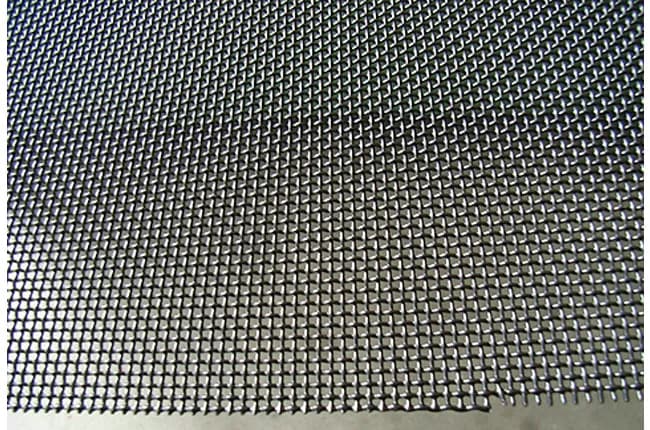
The two kinds of testing ask different questions. SCREENGUARD, the stainless steel mesh system we make screens with, is tested by its maker for dynamic impact, knife shear, anti-jemmy, pull and probe. PERFGUARD doors and window grilles passed a similar set. Those results tell you how a screen stands up to someone with a knife or a bar. A debris rating comes from a separate test that simulates wind-driven debris. One result doesn't stand in for the other.
The guidance does say a debris screen can be a permanent screen that doubles as a security screen. That only applies when the product holds the debris rating.
Security screen, debris rated screen and shutter compared
Security screen
Debris rated screen
Shutter
What it's tested for
Break-in attempts such as impact, knife, jemmy, pull and probe
Impact from wind-driven debris, to a stated rating
Wind pressure, to a stated rating
Protects glass from debris
Not unless it also holds a debris rating
Lessens the chance of glass breaking, but not from all debris
Absorbs some of the energy from debris
Keeps out wind-driven rain
Not what it's tested for
No
Reduces the water reaching the opening
What it is and its everyday security role
A screen whose main job is everyday security
An open, grid-like screen; a permanently fixed one may double as a security screen
Solid plates mounted in front of windows and doors
What to ask for
The maker's security test results
The debris test certificate for your configuration
The wind rating and installation requirements
Security screen, debris rated screen and shutter compared
What it's tested for
Debris rated screenBreak-in attempts such as impact, knife, jemmy, pull and probe
ShutterImpact from wind-driven debris, to a stated rating
Wind pressure, to a stated rating
Protects glass from debris
Debris rated screenNot unless it also holds a debris rating
ShutterLessens the chance of glass breaking, but not from all debris
Absorbs some of the energy from debris
Keeps out wind-driven rain
Debris rated screenNot what it's tested for
ShutterNo
Reduces the water reaching the opening
What it is and its everyday security role
Debris rated screenA screen whose main job is everyday security
ShutterAn open, grid-like screen; a permanently fixed one may double as a security screen
Solid plates mounted in front of windows and doors
What to ask for
Debris rated screenThe maker's security test results
ShutterThe debris test certificate for your configuration
The wind rating and installation requirements
Why window protection matters: a broken window can overload the roof
A broken window in a cyclone is a risk to the roof, not just the glass. The Queensland Reconstruction Authority explains that an opening in the wall facing the wind lets wind into the house, creating high internal pressure that pushes up on the underside of the roof. Those openings are often caused by debris breaking a window or door, by latches or hinges failing, or by a door or window left open.
The Queensland Government's Household Resilience Program fact sheet on window protection puts a number on it. If a window breaks or a door fails, the pressure on the windward wall can suddenly enter the house and potentially double the load on the roof structure, and the fact sheet says evidence points to this as a key failure in older homes. It also says research has shown that protecting the outer skin of a home from wind-driven debris significantly improves the chances of keeping the roof in a severe weather event.
That's why the rating matters. A screen that keeps debris off the glass is doing a structural job, so it needs evidence that it can.
Cyclone rated should mean a debris test you can see on paper
Treat cyclone rated as a claim to check, not a fact. The Queensland Government's window protection fact sheet warns that many screens on the market claim to be cyclone rated, yet may not have been tested for the wind ratings expected in a category 3 cyclone, and many may not have had wind-driven debris impact testing at all. It describes the debris impact test in the Australian wind loads standard as one that simulates the effects of wind-driven debris, not just the wind loads.
Amplimesh describes the test its SupaScreen stainless steel products passed: a 4 kg length of 100 mm by 50 mm timber fired from an air cannon at 34 m/s, then five more shots of 8 mm steel ball bearings at the same speed. Amplimesh markets its StormGuard range as engineered for cyclonic impact, with impact results of up to 44 m/s. Those are the maker's claims about its own products. They show the questions worth asking any supplier:
Has this exact product been tested for wind-driven debris impact, and can I see the test certificate?
Does the quote list the location, number and size of the windows the screens will be fitted to?
Will it be fixed permanently on the outside and cover the full window, not just the opening panels?
Will it be installed to the maker's instructions, which the rating depends on?
Will certification for the installation be provided when the job is done?
Even a debris rated screen has limits
A debris rating improves the odds; it doesn't make a window cyclone proof. The Queensland Reconstruction Authority says a debris rating should mean the product was tested against small or medium-sized debris, but that this does not guarantee the home will be protected from all debris. It adds that extremely large debris will exceed the capacity of most screens and may damage external walls.
Debris screens also don't keep water out. The guidance describes them as open, grid-like elements that can absorb debris impact and lessen the chance of glass breaking, but says they are not effective at preventing wind-driven rain. Shutters are solid plates mounted in front of windows and doors; they can absorb some of the energy from debris and also reduce the amount of water reaching the opening. Both work better with enough space between the glass and the screen.
Placement matters too. One of the myths the guidance corrects is that debris screens are only needed on the side of the house facing the ocean. Wind direction often changes during a cyclone, and its advice is to fit debris screens on all windows.
The Household Resilience Program covered rated screens, and it closed on 2 October 2026
The Household Resilience Program funded window protection, but it closed to new applications on 2 October 2026 (as at 16 October 2026). According to the program's official page, final grant approvals run to 31 May 2027, unless funding is committed earlier, and all works must be finished and documented by 1 August 2027. Check that page for any future round before you plan around a grant.
The program helped owner-occupiers in houses built before 1984, within 50 km of the coast from Bundaberg north to Cape York, improve their homes' resilience against cyclones. Its window protection rules are a useful checklist even without a grant, because they spell out what the Queensland Government would fund as window protection:
Screens or shutters fixed permanently on the outside, covering the full window, not just the opening panels.
A screen that complies with the wind-driven debris tests, or a shutter with a wind rating for the window pressures on a house.
Evidence of compliance, such as a valid test certificate.
Installation in line with the maker's requirements for that rating.
Not eligible: screens fitted inside the window or door, screens fitted with pet doors, temporary screens such as trampoline mesh or structural ply, and enclosing outdoor areas.
Already have security screens? Don't count on them to protect the glass
If your home already has security screens, don't assume they will protect the glass in a cyclone. Ask the maker or the installer whether a wind-driven debris test certificate exists for that exact product. If there isn't one, plan your cyclone preparation as if the windows are unprotected, and follow the official advice from Get Ready Queensland, emergency services and the Bureau of Meteorology.
Here's what we can tell you about our own work. We make security doors and window screens to measure in Cairns, and we don't publish a cyclone, storm, wind or debris rating for any of them, so we won't tell you they protect your glass in a cyclone. Our SCREENGUARD and PERFGUARD screens are tested by their makers against break-in attempts: dynamic impact, knife shear, jemmy, pull and probe. Our guide on whether security screens stop burglars covers what that testing is for, and the security doors, stainless steel security screens and range of mesh pages show the ranges we make.
We can make sure an existing security door closes and locks. We do onsite repairs to locks, sliding door wheels and tracks, closers, hinges, triple locks and patio bolts, at your property in Cairns. A repair keeps a security door doing its everyday job; it doesn't give it a debris rating. The quote form on our contact page is the way to book a repair or a measure.
Mesh grade is a different question again. It's about corrosion in coastal air, not debris: we use 316 marine grade stainless steel in SCREENGUARD screens for its corrosion resistance. Our guide to 316 vs 304 stainless steel mesh explains the choice for homes near the water, such as at Trinity Beach or Clifton Beach, and our areas we serve page lists the suburbs we cover.
Before and during the season, follow the official advice
Prepare before the season starts and take your instructions from official sources once a cyclone forms. The Bureau of Meteorology says Australia's tropical cyclone season runs from 1 November to 30 April, and the Bureau issues watches and warnings when a cyclone is expected to affect the coast. The Queensland Reconstruction Authority says homes within 50 km of the Queensland coast north of Bundaberg need to be strong enough to withstand winds from severe tropical cyclones.
For what to do in a warning, go to Get Ready Queensland, emergency services and the Bureau, not a screen supplier. The points below come from the Queensland Reconstruction Authority's guidance, which includes a Get Ready Queensland panel:
Clean up the yard at the start of the season and remove loose items that could become debris.
If your home was built before the mid-1980s, get an engineer or builder to inspect it. The guidance says older homes are generally at higher risk, and their wind classification may not have been determined at the time they were built.
Leave if you live in a storm tide area and emergency services tell you to go, or if you're not confident your home will resist the expected winds.
If you shelter at home, use a small room with few windows, and stay well away from windows and walls facing the wind.
Questions we get asked
What makes a screen cyclone rated?
A screen you can rely on against cyclone debris has passed a wind-driven debris impact test, and the supplier should be able to show you the test certificate. The Queensland Government warns that many screens claim to be cyclone rated without testing for the wind ratings expected in a category 3 cyclone, and many without debris impact testing. Queensland's building guidance also says security screens and debris screens are different products.
Do debris screens only need to go on the side facing the sea?
No. The Queensland Reconstruction Authority lists this as a myth: wind direction often changes during a cyclone, so its advice is to fit debris screens on all windows. Debris only strikes the side of the house facing the wind at any moment, but that side can change as the system passes. The same guidance says screens work better with enough space between the glass and the screen.
Do I need a builder or engineer before adding cyclone protection to windows?
For an older home, the Queensland Reconstruction Authority advises getting an engineer or builder to inspect it first. It says homes built before the mid-1980s are generally at higher risk in cyclones, and the wind classification may not have been determined at the time it was built. A rated screen also has to be installed to the maker's instructions to meet its rating, so ask who will install and certify the work.
Should I tape my windows before a cyclone?
Taping an X on a window won't stop it breaking. The Queensland Reconstruction Authority lists that as a myth. Its tip is to tape a plastic sheet to the inside edge of the window frame to reduce wind-driven rain coming in. For what to do when a warning is issued, follow Get Ready Queensland, emergency services and the Bureau of Meteorology, and shelter in a small room with few windows.
Can I still get a Household Resilience Program grant for screens in Cairns?
Not as a new applicant. The program closed to new applications on 2 October 2026 (as at 16 October 2026), according to the Queensland Government page. Applicants already in the program have until 31 May 2027 for final approvals, unless funding is committed earlier, and 1 August 2027 to finish works. The program covered permanent external screens that comply with the wind-driven debris tests, with a test certificate. Check the official page before each season in case a new round opens.
Are there cyclone rated security screens in Cairns?
Some makers market screens for cyclone regions, such as Amplimesh's StormGuard cyclone screens. The Queensland Government warns that many screens on the market claim to be cyclone rated without debris impact testing, so ask for the test certificate. We don't sell one: none of the screens we make to measure in Cairns is offered with a cyclone, storm or debris rating. Our SCREENGUARD and PERFGUARD screens are tested by their makers against break-in attempts, which is a different test.
Where this comes from
The published sources this guide draws on, and the date each one was checked.